

Why "Adopt Don't Shop" May Be Worsening the Rescue Dog Crisis and What Ethical Breeders Can Do.
- loucarterpowell

- Oct 28, 2025
- 8 min read
The phrase "Adopt don't shop" resonates deeply with many animal lovers and advocates. It's a call aimed at reducing the number of dogs in shelters. However, this good intention may worsen the current rescue crisis by encouraging a misunderstanding of how to support dog populations effectively. In this post, we will delve into the nuances of this issue, especially highlighting the importance of ethical breeders and the various factors behind the high number of dogs in shelters.
Understanding the Rescue Dog Crisis
The rescue dog crisis is a complicated issue that arises from multiple reasons. While many believe that rescuing a dog, rather than breeding a puppy, is the best choice, it’s vital to understand the reasons so many dogs end up in shelters, and how ethical breeders could actually help reduce this number.
Understanding the Difference Between Ethical and Just-for-Profit Breeders.
Before we can make informed choices, it’s important to understand the difference between Ethical Breeders and Just-for-Profit Breeders. The table below highlights how the very best breeders compare with the worst.
You’ll probably notice that many breeders advertising on pet platforms fall somewhere in the middle. Most of us can easily recognise obvious puppy farms, but it’s those “middle-ground” breeders — the ones who appear responsible at first glance — who often slip through the net.
For example, while browsing Pet4Homes, you might come across Golden Retriever breeders who claim to health test their dogs. However, on closer inspection, only one parent has actually been tested. Some breed multiple breeds — more than two — which usually signals a focus on profit rather than a passion for improving the breed.
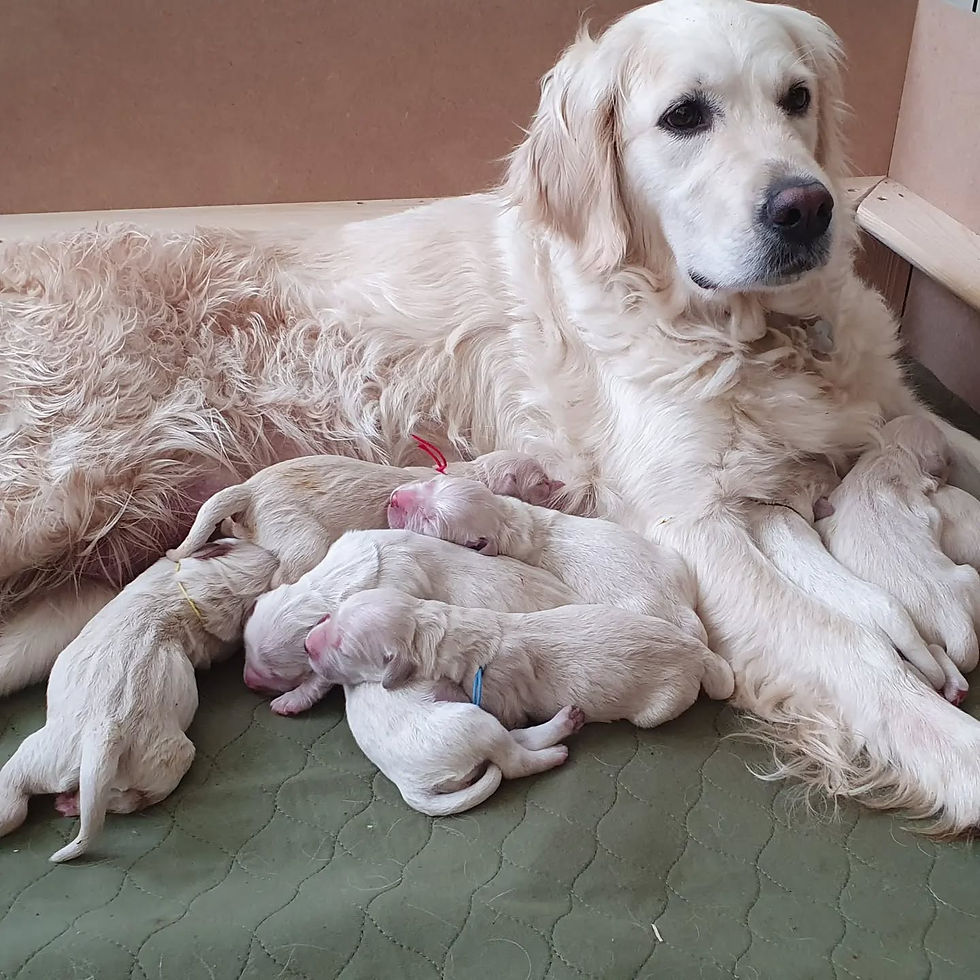
Often, their puppies aren’t raised in the home. The photos all have the same background, showing a single puppy rather than the full litter with the mother. (Of course, this is different for genuine working dogs, who are often raised in kennels — but pet puppies should be reared in a family home environment.)
You might also notice older puppies still being advertised, suggesting overproduction.
Finally, while some breeders hold a licence, this doesn’t necessarily mean they are ethical. In Scotland, for example, a licence is required if someone breeds more than three litters a year — so having one simply confirms quantity, and not quality.
Category | Ethical Breeders | Puppy Farms |
Purpose | To improve the breed and produce healthy, well-adjusted puppies | To make money from selling puppies with little regard for welfare |
Breeding Frequency | Dogs are bred occasionally and allowed to rest between litters | Dogs are bred continuously, often every heat cycle |
Health Testing | Both parents are fully health tested for hereditary diseases (e.g. hips, elbows, eyes, DNA tests) | Rarely or never do health tests on breeding dogs |
Living Conditions | Dogs live in clean, enriched environments, often as family pets | Dogs are often kept in cages or overcrowded, unsanitary facilities |
Socialization | Puppies are handled daily, exposed to household noises, people, and other dogs | Puppies have little or no human contact or socialisation |
Pedigree & Records | Provide full records, pedigrees, and proof of parentage | Often falsify papers or sell without documentation |
Buyer Screening | Carefully screens potential owners to ensure good homes | Sells to anyone who can pay, often via online ads or pet shops |
Aftercare Support | Offers lifelong support and takes puppies back if needed | Offers no support or interest after the sale |
Pricing | Reflects the cost of health testing, care, and ethical breeding practices | Often cheaper upfront, but higher long-term vet costs |
Registration & Transparency | Registered with kennel clubs or breed clubs; welcomes visits | Secretive about location, won’t allow visits before purchase |
Welfare of Breeding Dogs | Retired dogs are rehomed responsibly | Breeding dogs are often discarded or euthanised when no longer profitable |
Legal & Ethical Standards | Follows breed club codes of ethics and animal welfare laws | Often breaks or skirts welfare and breeding regulations |
The Role of Ethical Breeders
Ethical breeders are essential in tackling the overpopulation of dogs. They commit to responsible breeding practices, which often include:
Health Testing: Ethical breeders routinely conduct health checks on their breeding dogs to prevent genetic diseases. For example, a reputable breeder may screen for hip dysplasia and eye disorders, decreasing the likelihood that these puppies will inherit severe health issues.
Ethical breeders breed responsibly, ensuring they have committed waiting lists for their puppies. Their approach helps to minimise unwanted puppies and aligns their breeding practices with the demand for dogs.
Owner Screening: They also carefully assess potential dog owners, matching a puppy's personality with the family’s activities and lifestyle. This thoughtful process decreases the chances of dogs being returned due to behavioural issues, a common reason for shelter surrenders.
Return Policy: An ethical breeder always ensures that they have a lifetime returnable policy. No questions asked, the dog can always be returned to the breeder. An Ethical breeder has a lifetime of responsibility for that dog.

Addressing Behavioural Challenges
Many surrendered dogs face behavioural issues, particularly during their teenage months. New dog owners often struggle with this developmental phase. Ethical breeders understand these challenges and frequently provide ongoing support to help owners navigate puppy training.
Ethical breeders can try to reduce these behavioural challenges by screening potential new puppy parents, assessing their understanding of the breed, dog training, and the breed's natural behaviours. They also engage in selective breeding, matching puppy parents based on temperament, personality, trainability, and anxiety levels.
Early Litter Socialisation - Having a clear litter socialisation plan that can be continued when the puppy goes home.
A lifetime of puppy support - Being available to help with advice, resources and possibly the return of the puppy or dog to the breeder.
The Impact of Changing Circumstances
Unforeseen life changes can force families to give up their dogs. Events like a job loss or personal illness can lead to dog owners surrendering their dogs to a rescue. While those situations are sometimes unavoidable, ethical breeders are proactive, ready to accept returns if necessary.
Maintaining strong relationships with dog owners enables ethical breeders to advise owners in difficult times. Many breeders foster networks that help rehome dogs, reducing the number of animals that enter shelters.
Communication - Many ethical breeders keep an open dialogue with their puppy owners throughout the dog's life. Whether that's individual contact or social media litter groups. The easiest way to catch a problem is to know about it early.

The Importance of Microchipping
Microchipping plays a vital role in keeping dogs safe and ensuring lost pets are reunited with their families. It’s now a legal requirement in many regions, and ethical breeders take this responsibility seriously — ensuring that every puppy is microchipped before leaving their care.
Dual Registration
Responsible breeders often request that new owners maintain dual registration on the microchip — meaning both the breeder’s and the owner’s contact details are recorded. This ensures that if the owner cannot be reached, the breeder can still be contacted. It’s an extra layer of protection that can make all the difference in reuniting a lost dog with those who care about it most.
Statistics show that around one in three pets will get lost at some point in their lives. When a microchip is properly registered and up to date, the chances of being safely reunited rise dramatically — keeping countless dogs out of shelters and back where they belong: at home.
Health Considerations
Health problems are another leading cause of dogs being surrendered to shelters — often due to preventable genetic conditions or unexpected medical costs. Ethical breeders play a crucial role in reducing this risk through responsible breeding and education.
Comprehensive Health Testing
Ethical breeders conduct and verify all relevant health tests before breeding, ensuring that both parents are sound, healthy, and free from hereditary diseases. They don’t cut corners — every result is understood, documented, and considered when planning a litter. This commitment to health testing significantly reduces the likelihood of puppies developing serious inherited conditions later in life. There is simply no excuse for breeding dogs without proper testing.
Insurance Support
Many breeders provide new owners with free insurance coverage for the first five weeks of ownership. This initial safety net helps cover any early veterinary needs and allows owners to continue coverage into the dog’s adult life. It’s a thoughtful way to promote responsible ownership and reduce financial stress during the puppy’s transition period.
Responsible Owner Screening
As part of their careful screening process, ethical breeders also ensure that potential owners understand — and are prepared for — the financial and emotional responsibilities of dog ownership. Discussing topics like insurance, veterinary costs, and emergency care helps set realistic expectations and prevents future surrenders due to unforeseen expenses.
Adopt Don’t Shop – But Let’s Talk About Balance
The “Adopt Don’t Shop” slogan was created with the best of intentions — to encourage the rescue and rehoming of dogs in need. However, to truly address the rescue dog crisis, it’s important to recognise the valuable role that ethical breeders can play.
Responsible breeding practices, ongoing support for dog owners, and education are all key to improving the long-term welfare of dogs. When done right, ethical breeding doesn’t contribute to the problem — it can actually be part of the solution.
What Would Happen If Breeding Stopped?
The slogan “Adopt Don’t Shop” can sometimes be interpreted as meaning everyone should adopt from shelters and no one should buy from breeders. But let’s consider what would happen if breeding stopped altogether:
Purebred dogs — including breeds with specific characteristics and temperaments — would gradually disappear.
Working dogs, such as herding, guide, therapy, or diabetic alert dogs, rely on selective breeding and early training to perform their roles. Rescue dogs, while wonderful companions, are often not suited for these specialised purposes.
Without purposeful breeding, demand for dogs would still exist — but supply would shift to accidental litters, unplanned pregnancies, strays, or unregulated sources, increasing welfare risks.
Currently, around 30% of the UK’s dog population is Kennel Club registered (purebred). Yet, only around 5% of dogs in rescue centres are purebred. The remaining 95% are of mixed or unknown breeding. If the demand for mixed-breed dogs continues to rise without proper education or regulation, we could actually see more dogs ending up in shelters, not fewer.
A Smarter Approach: Responsible Regulation and Education
So, how can we make real progress? Rather than discouraging all breeding, perhaps the focus should be on raising standards across the board.
This could include:
Stronger education for prospective owners on what they’re buying and who they’re buying from.
Greater transparency from online platforms such as Pet4Homes to help buyers identify reputable breeders.
Stricter breeding rules from the Kennel Club — ensuring that registered dogs are not only traceable but also health-tested, fit for purpose, and bred responsibly.
Public awareness campaigns that promote both responsible breeding and adoption as valid, ethical choices.
Collaboration Is the Key.
The solution doesn’t lie in choosing sides — it lies in collaboration. Shelters, rescue organisations, and ethical breeders each have a vital role to play. By working together, we can create a future where:
Every dog has the chance to live in a loving home.
Breed integrity and working ability are preserved.
Welfare standards improve across the entire dog community.
There’s room in society for both purebred and rescue dogs. One is not better than the other — each fills a different need and brings unique joy to people’s lives.
Let’s focus on supporting the long-term health and happiness of dogs, rather than criticising others for the paths they choose.
*A Final Note on Rescue Centres.
It’s also worth acknowledging that not all rescue centres operate to the same standard. While many do exceptional work and save countless lives, there have been reports of unethical practices — including illegal dog trafficking, “rescue scams,” and cases where puppies are intentionally bred for sale through “rescue” channels.
That’s a complex topic deserving its own discussion — but it highlights, once again, the importance of transparency, accountability, and education across every part of the dog world.
Comments